
LINE STOPPING
Safely Isolate Live Pipelines Without Shutting Down Your System.
Line stopping allows you to temporarily block flow in pressurized piping systems so you can perform maintenance, tie-ins, or emergency repairs without costly shutdowns. Using engineered fittings and proven stopple technology, RFI provides safe, reliable isolation with minimal disruption to your operations.
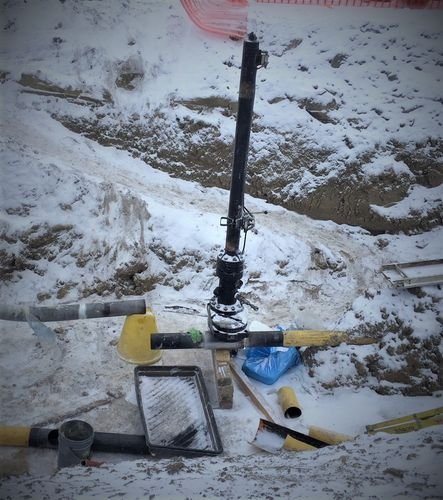
WHY LINE STOPPING
• Maintain Production: Isolated on the section you need while the rest of the system stays online
• Emergency Ready: Rapid deployment for leak control, valve replacement, or unplanned outages
• Flexible Configurations: Single or double-block-and-bleed (DBB) systems with custom bypass options
• Safe & Engineered: Full engineering review, procedure control, and QA documentation
Note: All work is performed in accordance with engineered procedures and jurisdictional code compliance.
Capabilities
High-Pressure Systems
Sizes: 2”-24”
Pressures: Up to ~750 PSI
Temperatures: Up to 242ºC (462ºF)
Low-Pressure Systems:
Sizes: 3”-72”
Pressures: Up to ~100 PSI
Temperatures: 0ºC - 242ºC (32ºF - 462ºF)
Typical Use Cases
Valve Replacements & Upgrades
Facility Tie-Ins & Expansions
Emergency Leak Control
Pipeline Repairs & Cutovers
Isolation Of Selections For Inspection/Testing
System Types
High-Pressure Pivot-Head Isolation Systems (Single or DBB)
High-Pressure Single-Port DBB Systems
Low-Pressure Kevlar® Isolation Bag Systems
Low-Pressure Short-Stop Sealing Cup Applications
Bypass Options
We design custom bypasses to keep your process flowing while the line stop is in place.
Final pressure/temperature/material compatibility is confirmed by engineering review for each job.
HOW IT WORKS

Engineering & Planning
Review of system details, load calculations, and permits
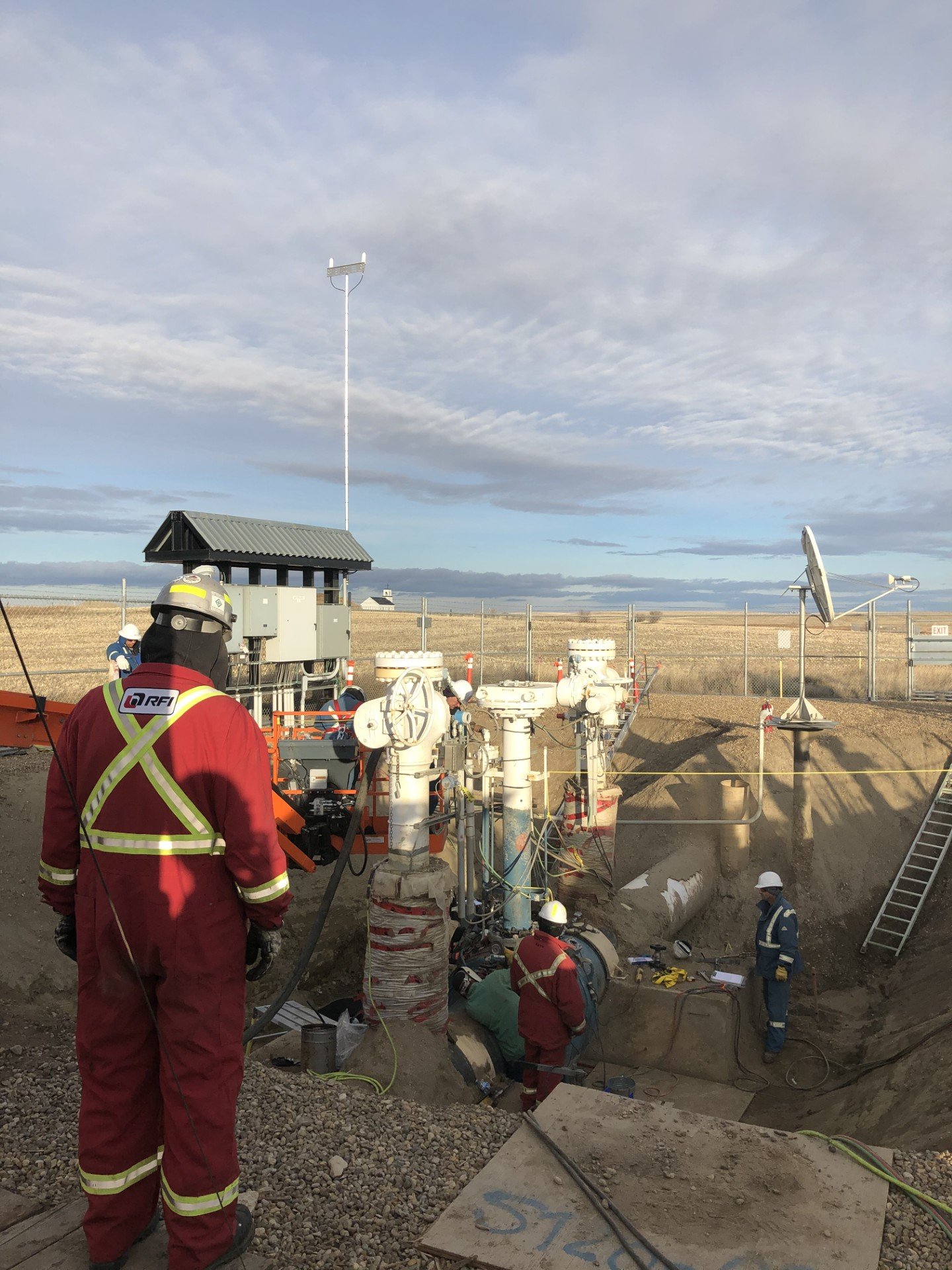
Hot Tap Connection
Installation of a branch fitting and isolation valve
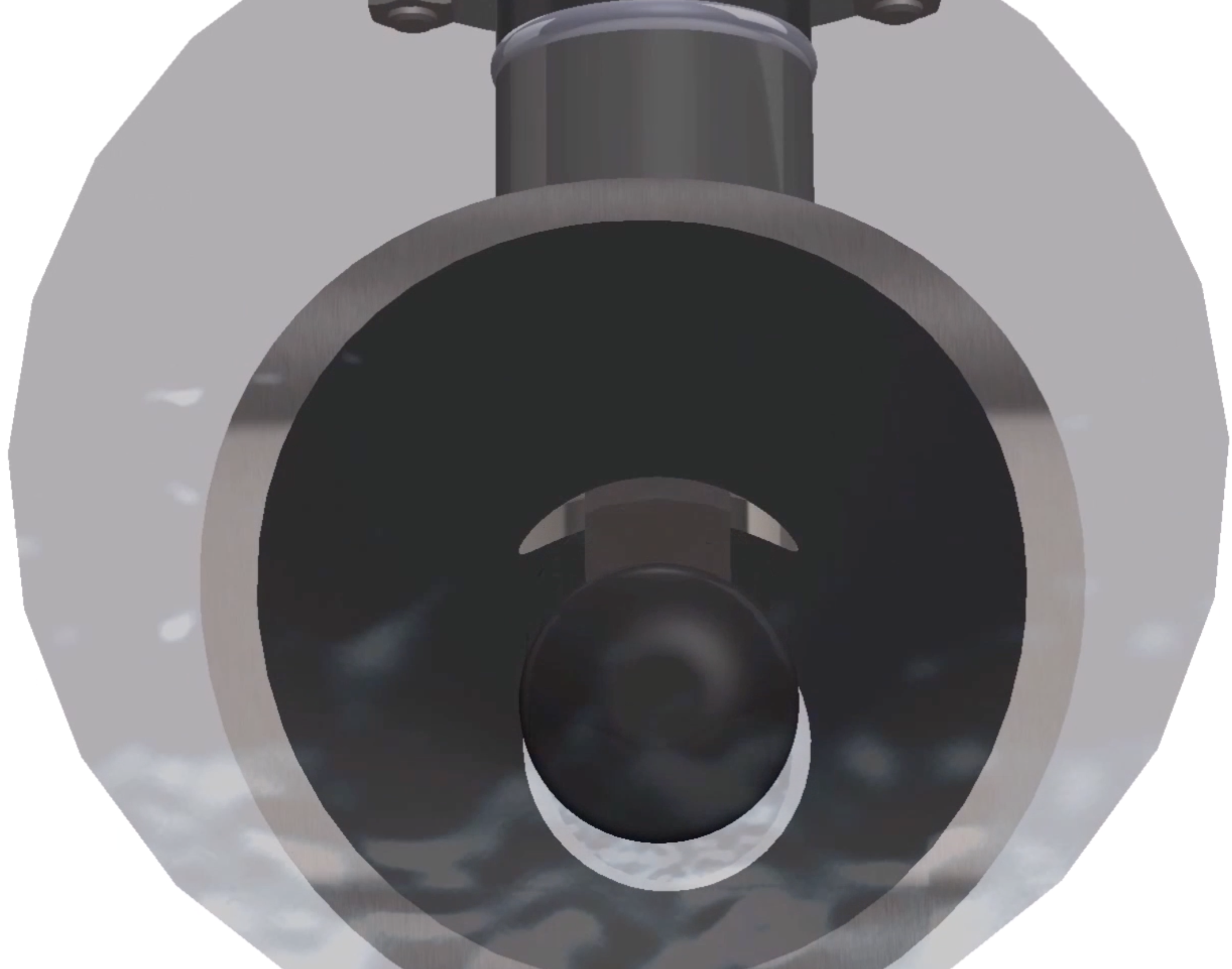
Stopple Insertion
Deployment of sealing head or bag into the pressurized line
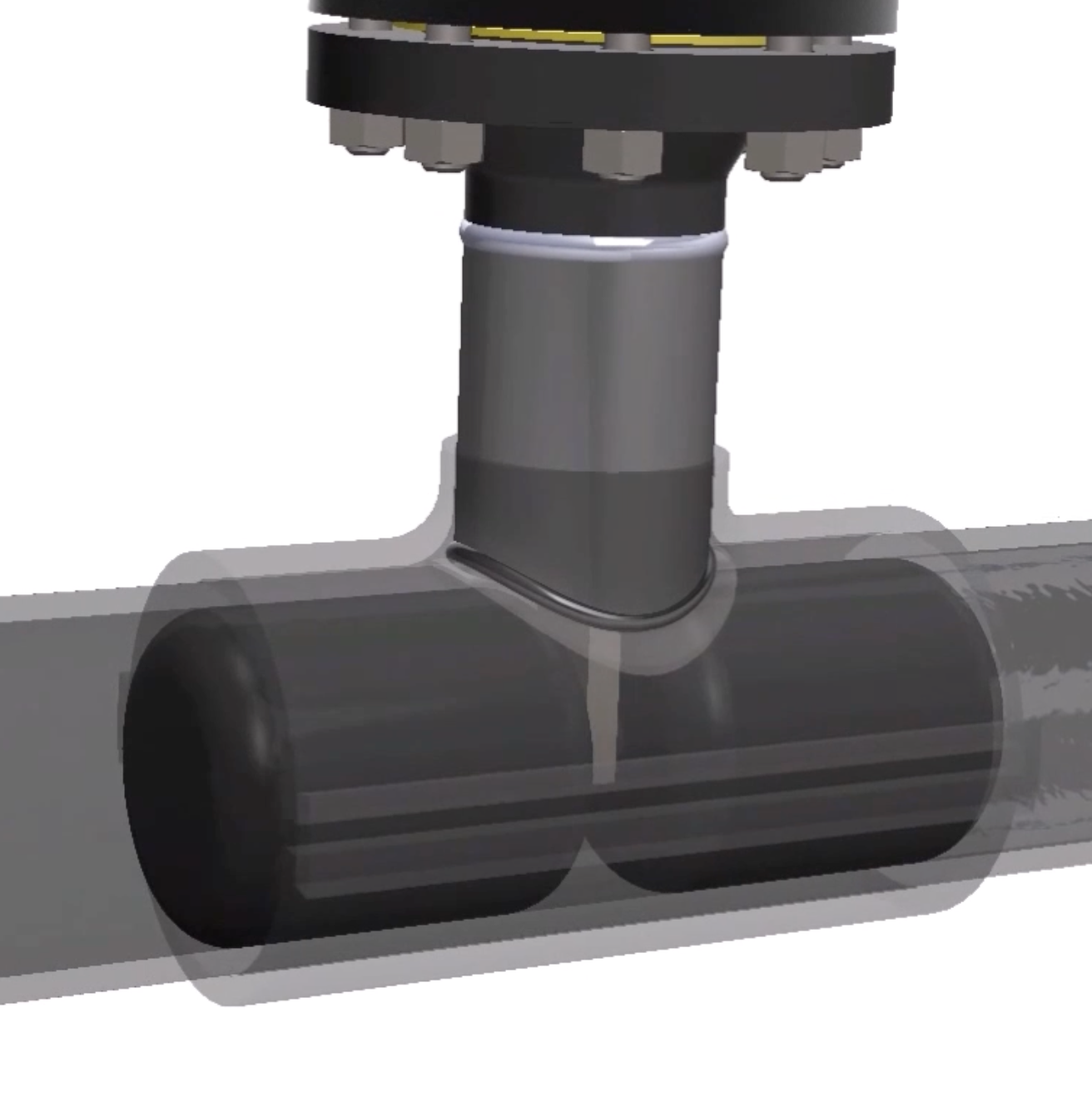
Flow Isolation
Line stop activated; optional bypass maintains product flow
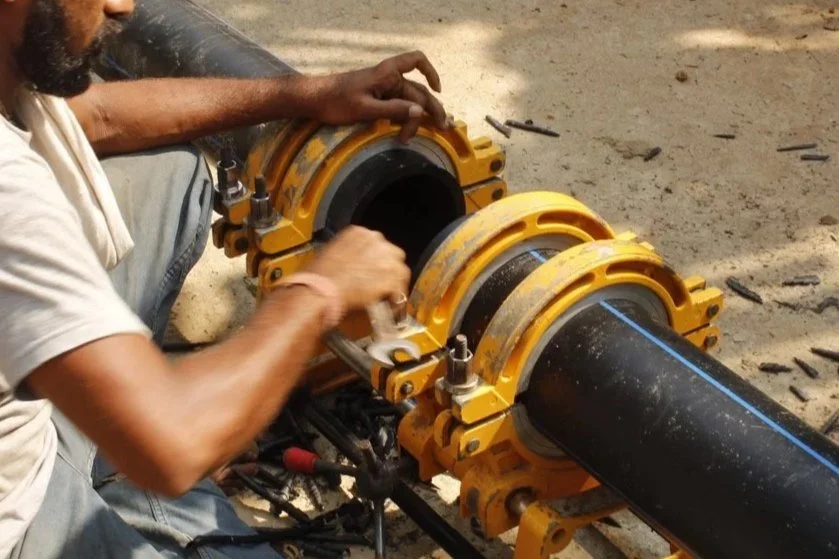
Work Performed
Maintenance, replacement, or tie-ins completed safely
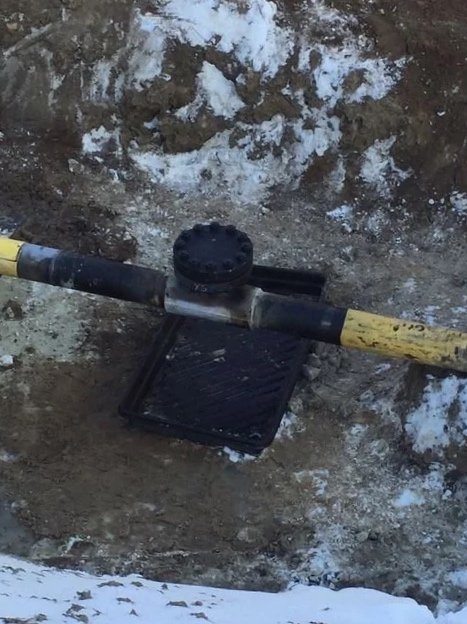
Removal & Restoration
Stopple retracted, valve closed, completion flange installed
LINE STOP
QUALITY CONTROLS
• IN-HOUSE NDT & WELD QA
• HAZOPS/ PERMITS ADMINISTRATION
• QC DOSSIERS WITH WELD MAPS, WPS/PQR/WPQS, AND PRESSURE TEST RECORDS
• COMPLIANCE WITH CSA/ASME CODES AND PROVINCIAL/STATE REGULATIONS
SAFETY & COMPLIANCE
• ENGINEERED PROCEDURES & HAZARD ASSESSMENTS
• QUALIFIED IN-SERVICE WELDERS
• NDT BEFORE/AFTER AS REQUIRED
• PRESSURE BOUNDARY INTEGRITY VERIFICATION
• FULL TURNOVER DOCUMENTATION
FREQUENTLY ASKED QUESTIONS
-
Single block provides isolation; DBB adds an extra sealing barrier and vent/bleed for added safety.
-
Yes–line stops require a hot tap connection and isolation valve efore inserting the stopple.
-
Yes–we design bypasses to keep product moving while the line is isolated.
-
All work is performed to applicable CSA/ASME standards and jurisdictional requirements.
